

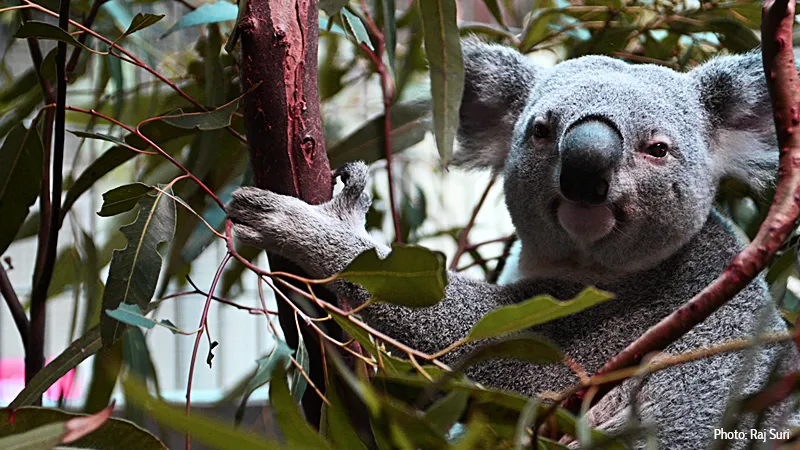
A date with Koala – Health and Conservation
Words and Photos – Marie Geissler, Koala Park Photos: Raj Suri
1 May 2026
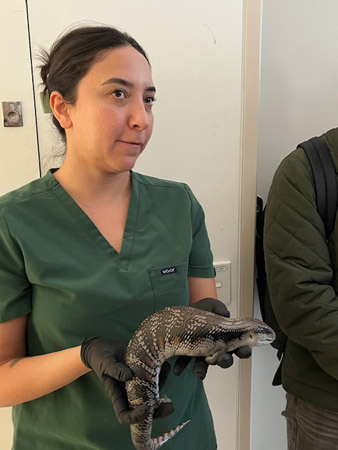
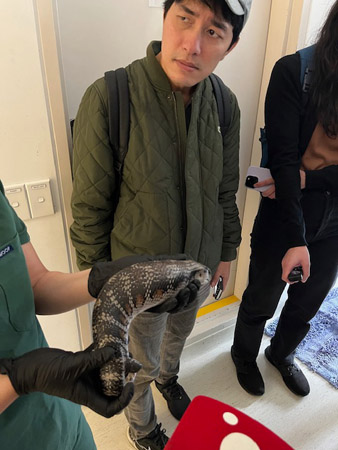
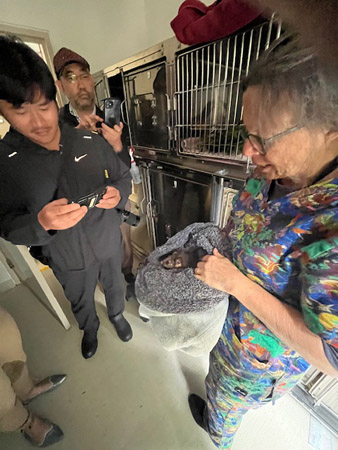
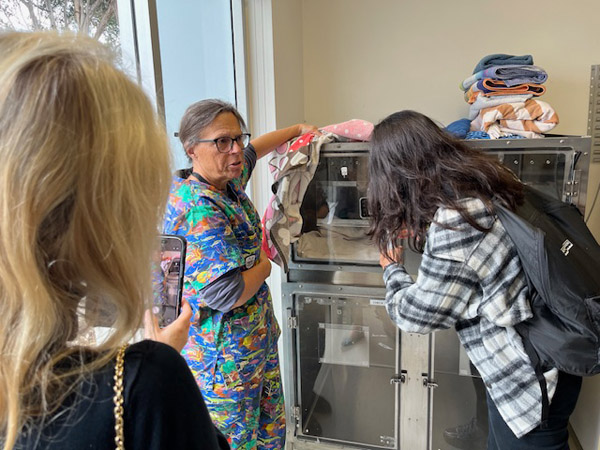
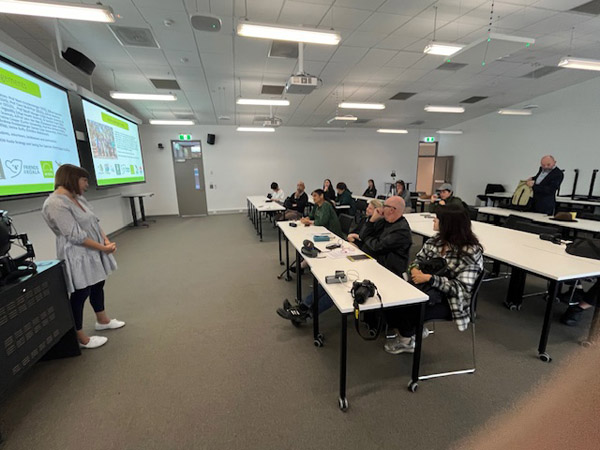
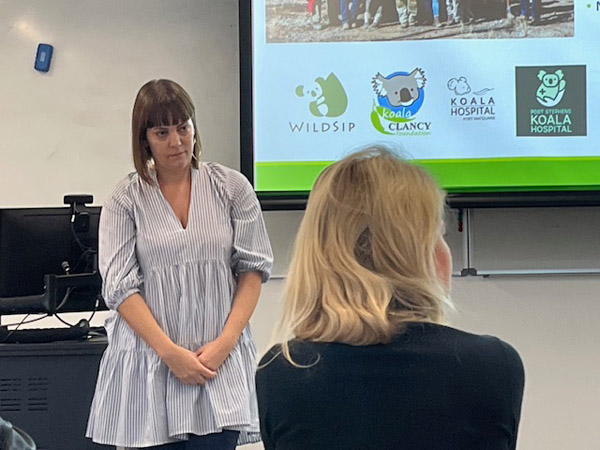
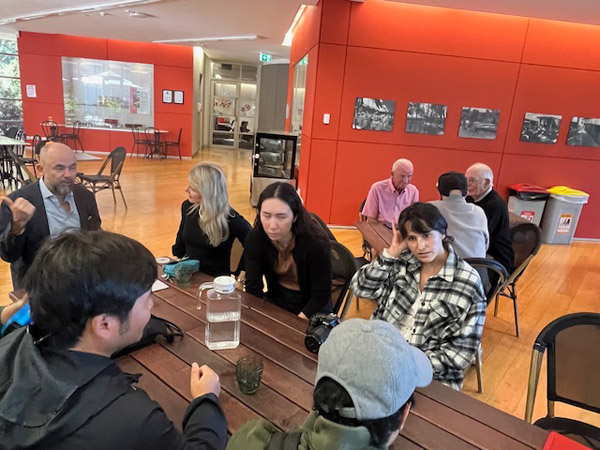
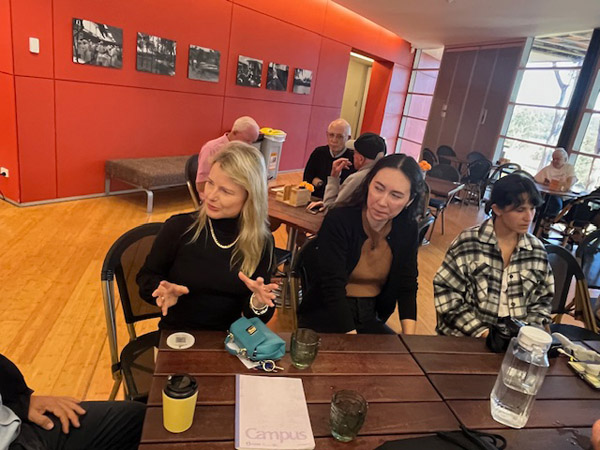
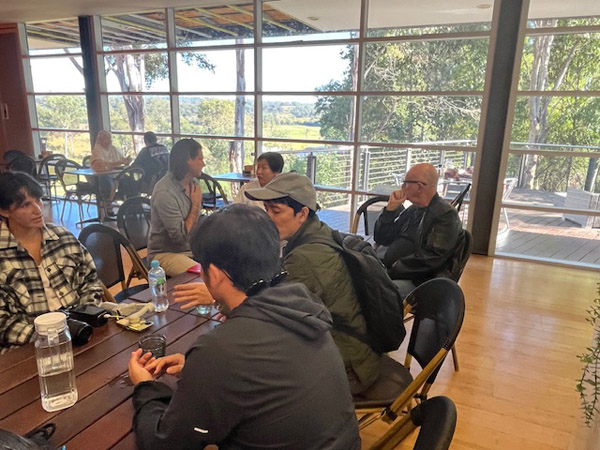
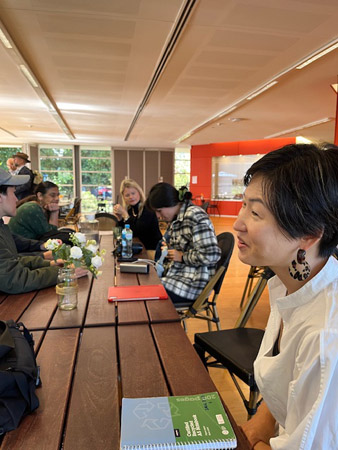
On the Foreign Correspondents Association of Australia’s “Day with Koalas” media excursion, journalists were taken on a two-stop visit designed to provide insight into koala conservation and the pressures shaping their survival across Australia.
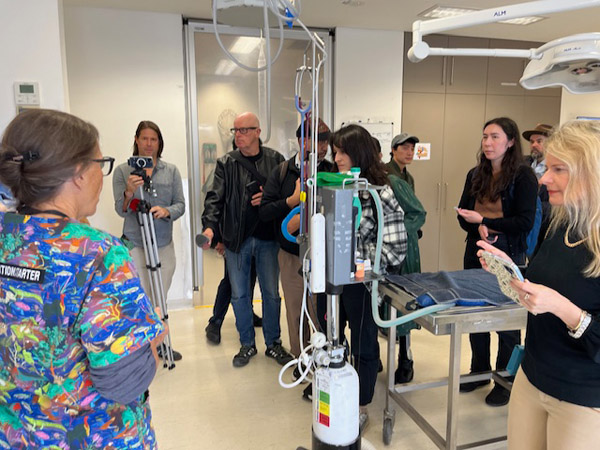
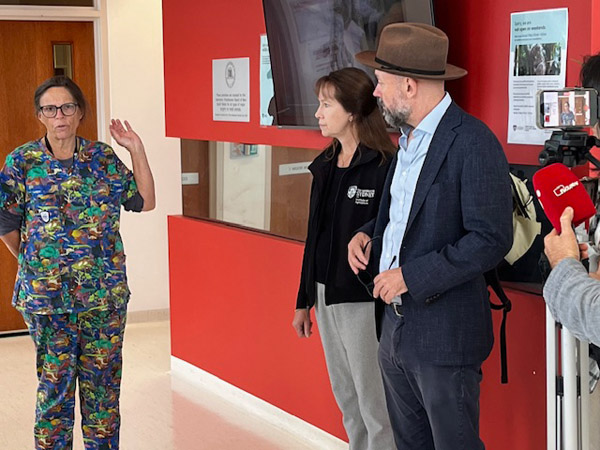
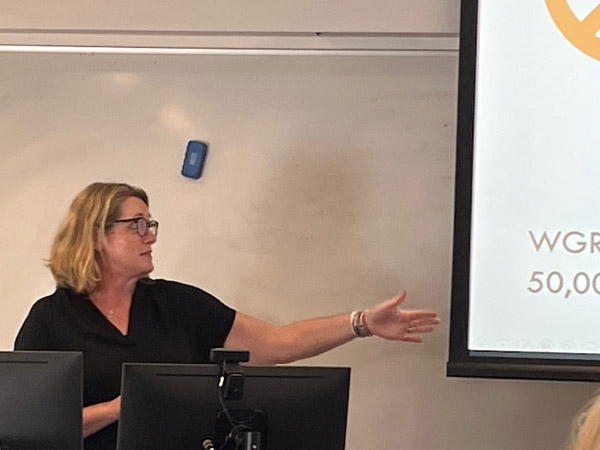
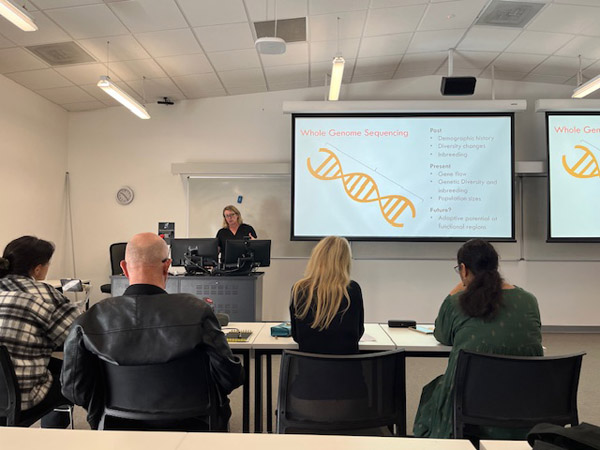
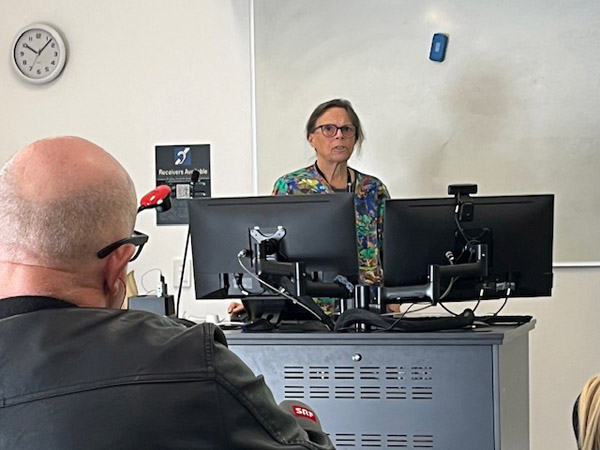
The first stop was the University of Sydney’s Camden campus, home to the Wildlife Health and Conservation Hospital. There, researchers outlined the complex and interconnected factors influencing koala population decline in some regions while others remain comparatively stable.
Behavioural biologist Dr Valentina Mella explained that the reduction in koala numbers is not attributable to a single cause but rather a combination of environmental and human pressures. Chief among these is habitat loss, as native eucalyptus forests are cleared for agriculture, mining, and development. This forces koalas to travel across the ground in search of new trees, significantly increasing their exposure to predators such as dogs and foxes.
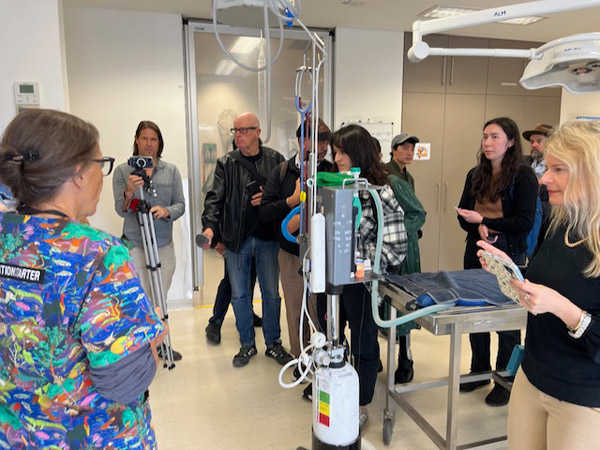
Dr Mella and her colleague Dr Mark Krockenberger also highlighted the escalating impact of climate change. Rising temperatures, more frequent heatwaves, and increasingly dry conditions are contributing to the spread and severity of chlamydia infections, which can move rapidly through stressed populations and exacerbate reproductive decline.
One of Dr Mella’s notable findings has also challenged long-held assumptions in koala biology: koalas do drink water, particularly during periods of drought. She also described their remarkable behavioural adaptations during extreme heat. Koalas have been observed pressing their bodies against smooth-barked tree trunks, which can be several degrees cooler than the surrounding air. In addition, they are capable of allowing their body temperature to rise to around 41°C to reduce water loss through panting. As she explained, “They fluctuate their temperature to conserve the water they so desperately need.” However, she cautioned that these physiological adaptations have limits. Prolonged periods above 40°C, increasingly likely under climate change scenarios, can lead to cellular failure and death.

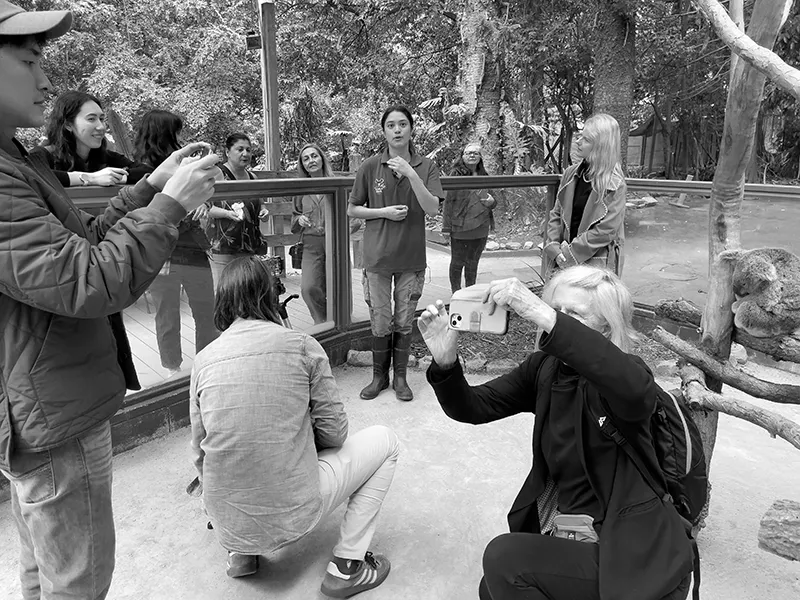
Photo Gallery – Koala Park


Photo Gallery – Camden











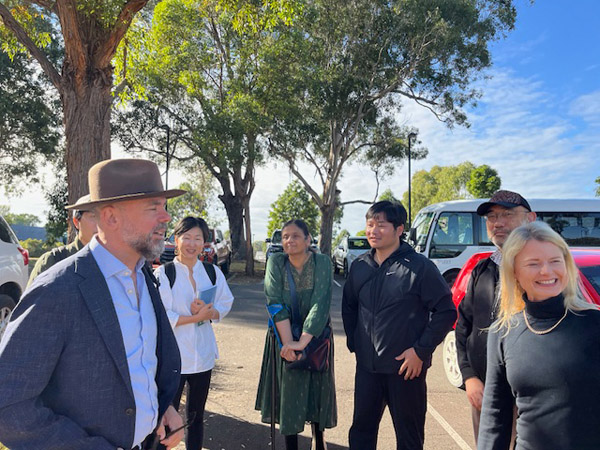
- FCA members visit Nanoscience Hub at the Sydney University
 Share this… Facebook Twitter Linkedin Email Pinterest Whatsapp TelegramWords and
 - FCA Trip to Newcastle, NSW
 Share this… Facebook Twitter Linkedin Email Pinterest Whatsapp TelegramWords –
 - FCA Briefing – CSIRO Australia’s critical minerals capabilities
 Share this… Facebook Twitter Linkedin Email Pinterest Whatsapp TelegramWords –
 - FCA Social – Spit to Manly Walk
 Share this… Facebook Twitter Linkedin Email Pinterest Whatsapp TelegramWords –
 - FCA Social Meet Up
 Share this… Facebook Twitter Linkedin Email Pinterest Whatsapp Telegram#FCASocial Join
 - FCA Members Media Stories
 Latest Stories: Australian vineyard combats climate change with unique ideas…


